Skip to content
SerialLookups

Fancy Serial Number Checker

Enter the eight digits, including any leading zeros. If your note has a replacement star, enter the full serial and finish it with an asterisk.

Letters and all 8 digits. Add * for a star note.

Coolness 50/100 — Radar · 1 pattern found; rarest is 1 in 10,001.

Try a real example

Serial No. · US paper money — fancy serialBEP serial number (fancy-pattern check)
12344321Serial number

Coolness 50/100 — Radar 1 pattern found; rarest is 1 in 10,001.

Coolness score50/100

Radar (collectible)

  • Radar1 in 10,001

Best match: Radar, 1 in 10,001 serials. Score = round(100 × −log10(count ÷ 99,999,999) ÷ 8).

Coolness score
50 / 100
Patterns found
Radar
Star note
No

Where to find the serial number

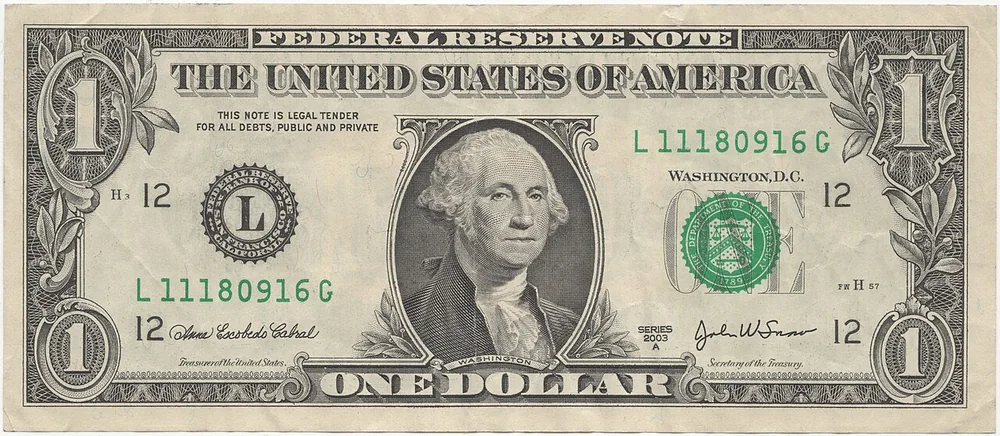
Two matching serials on the face

U.S. one-dollar Federal Reserve note front with the same green serial printed twice
Serial number
Use either complete printing of the serial on this $1 note, keeping leading zeros in the eight-digit field.
  1. The serial is printed twice on the front of the note: upper right and lower left.
  2. On $1 and $2 notes the first letter names the Federal Reserve Bank. On $5 and up it is the second letter.
  3. A star in place of the last letter marks a replacement (star) note.
  • Look for: Letter + 8 digits + letter
  • Skip: Plate and check letters

U.S. bill value examples by type and condition

Face values apply to ordinary spendable examples. The radar example is one historical sale, with a buyer's premium included.

Type and seriesConditionUSD reference
Ordinary modern $1 Federal Reserve NoteCirculated$1 face value
Ordinary $2 Federal Reserve Note, 1976–2017ACirculated to crisp uncirculated$2 face value circulated, about $3–$6 crisp uncirculated
2013 $1 radar 12999921PMG 66 EPQ$51 sale in 2019 (Heritage lot 84261)

Overlapping fancy patterns and misleading zeros

Varieties and look-alikes that change the answer more than the serial does.

Ultra-low and low are overlapping labels

A00000001* receives a low-serial label as well as an ultra-low label.

The ultra-low range sits inside the low range. The star is a separate replacement-note marker. Adding the two rarity counts would count this serial twice.

Repeater and radar on the same digits

The number 12211221 is both four-digit repetition and a palindrome.

Keep both descriptions when comparing notes. Check the underlying counts and the actual grade before treating one label as a price.

Compare the whole note with completed sales

Grading, storage and selling checks, plus the Bureau of Engraving and Printing sources behind the rules.

Check condition in angled light

Folds, stains, trimmed edges and pinholes change what a collector will pay.

Compare the same pattern and grade

Match the denomination, series, pattern and grade to completed sales. The rarity score is a pattern measure.

Which digits make a ladder, radar or repeater

The highlighted row is the rule behind the result above.

Pattern counts out of 99,999,999 eight-digit strings

CodeMeaningDetail
Ascending ladder3 matches1 in 33,333,333
Solid9 matches1 in 11,111,111
Alternating repeater90 matchesAbout 1 in 1,111,111
Radar9,999 matchesAbout 1 in 10,001
Repeater9,999 matchesAbout 1 in 10,001

Copy the eight digits as printed

The serial appears twice on the face of a U.S. Federal Reserve note. Use the large printed number with its surrounding letters, and keep the zeros at the start. A small plate number near the edge of the design serves a different purpose. An asterisk at the end of your entry represents a printed replacement star. You can also enter just the eight digits to check a pattern without identifying the bank.

Know what the pattern names mean

A radar reads the same in both directions, like 12344321. A repeater repeats the same four digits, like 45674567. A ladder moves by one digit at a time in one direction, with no wrap from nine to zero. The digit string 01234567 is a full ascending ladder. A solid uses the same digit in all eight positions. Some strings fit several definitions, so one bill can show more than one match.

The counts come from checking each eight-digit string from 00000001 through 99999999. This includes strings that may never appear in a particular printed block. The odds describe the comparison set of digits, while the star is a separate marker added in production. A very low serial can fit multiple categories because the opening zeros count as digits.

Look at the note before assigning a value

Hold it under angled light to check for creases across the portrait or handling near the corners. Keep photographs of both sides. A sold listing for a graded note with the same pattern, series, denomination and similar paper quality is more helpful than an asking price for an unrelated bill. If a listing includes a group of notes, the total applies to the lot, and individual notes may account for very different amounts.

Set the digits of 45674567 into two groups of four. Both groups read 4567, so it is a repeater. 12344321 instead reads the same in both directions, making it a radar. An entry like 01234567 needs the first zero for the full ascending sequence. If a spreadsheet drops it, change the format to text and copy directly from the note again. These comparisons apply to the digit field. Keep the printed prefix, suffix, series and denomination in your sales notes so that a similar-looking pattern on a different bill does not become your price comparison.

A clean-looking sequence can still have a fold that is hard to spot straight on. Tilt the bill and check the paper above and below the printed number, then note whether the comparator was raw or certified. If you are comparing a low serial, use all eight digits in your search. An advertisement saying “serial 100” might describe 00000100, part of a longer printed number, or simply how many notes were in a listing. Preserve the exact digits before deciding which results describe the same pattern.
Fancy serial pattern and rarity questions

Short answers first. Open a question for the detail.

How do I check a banknote serial number for free?
Enter all eight digits above. Add the prefix and suffix if you also want to see serial structure and star status.
What $100 serial numbers can be collectible?
Collectors look for very low numbers, solid digits, true ladders and other distinctive patterns. Condition and the exact note still matter.
Which serial number patterns are rarest?
Among the patterns counted here, each direction of a full ladder has just three matches. An eight-digit solid has nine.
Does a fancy serial score tell me what my bill is worth?
The score describes digit rarity. Price depends on the actual note, demand and condition, so compare completed sales for matching examples.

Photo creditsPhoto: U.S. Bureau of Engraving and Printing (banknote design) / Wikimedia Commons (Public domain)